
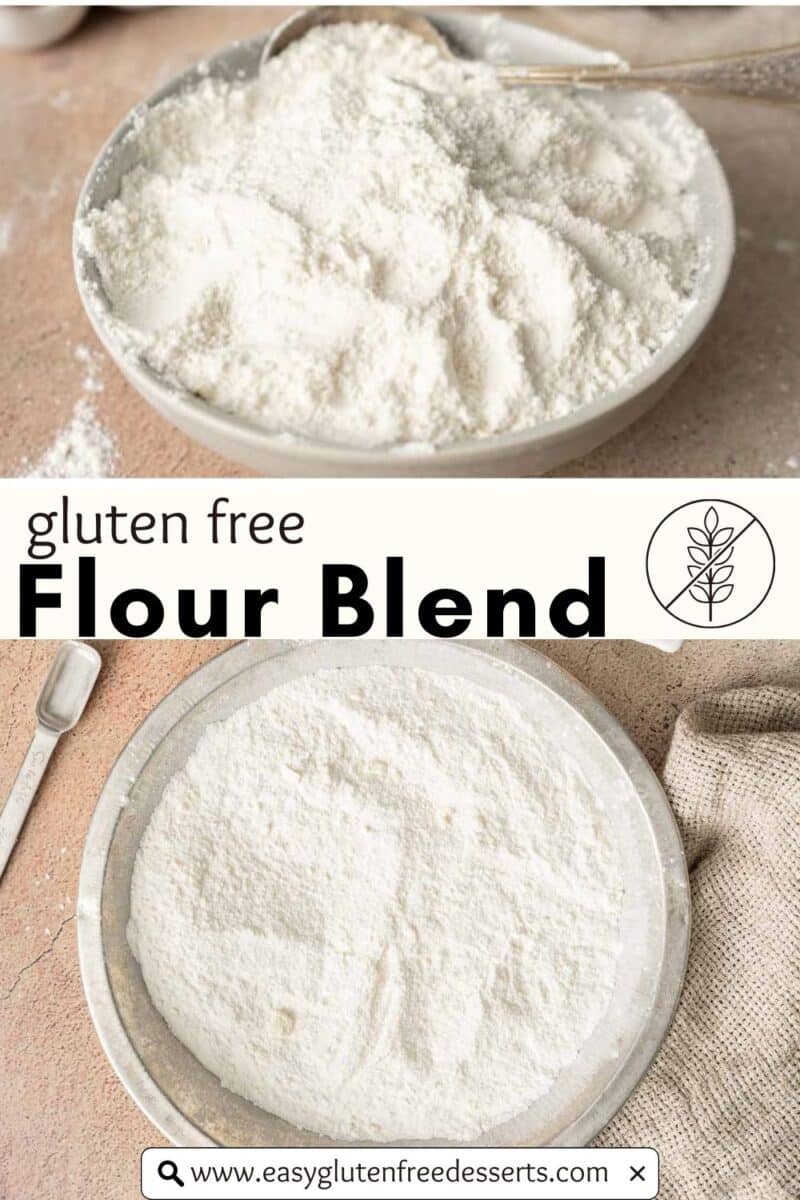
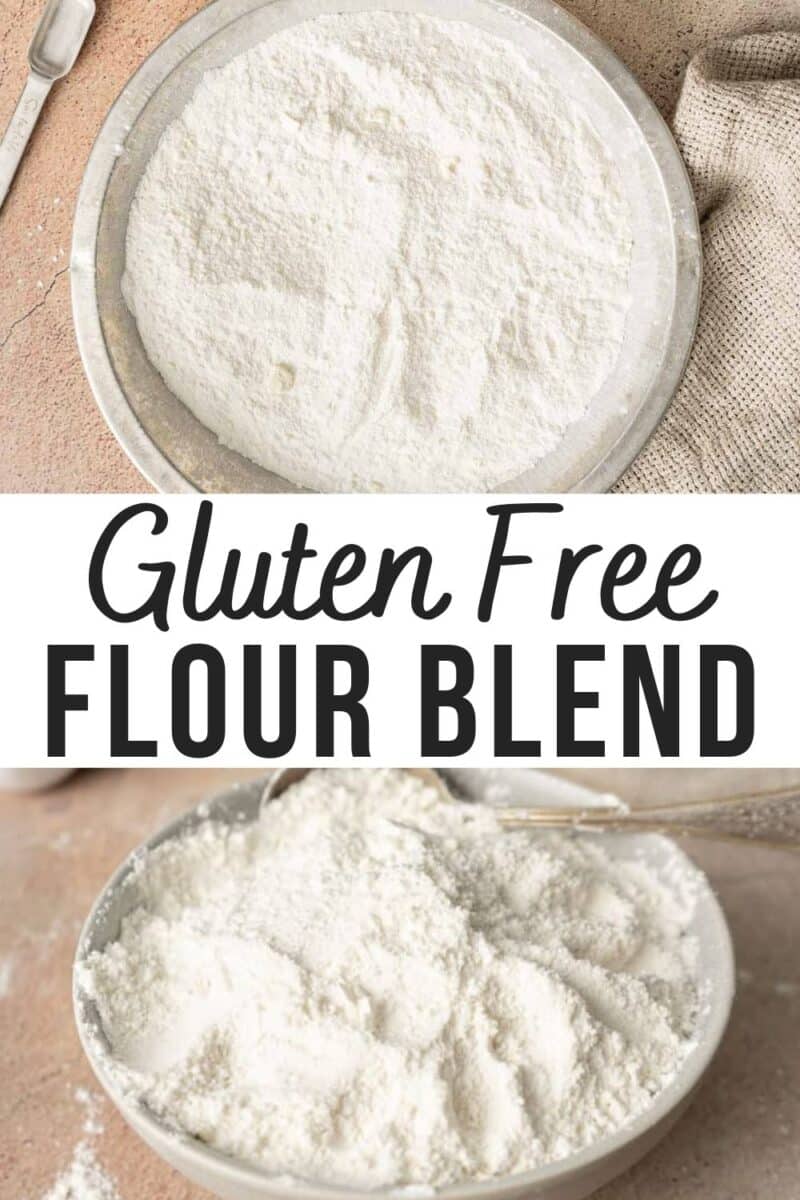
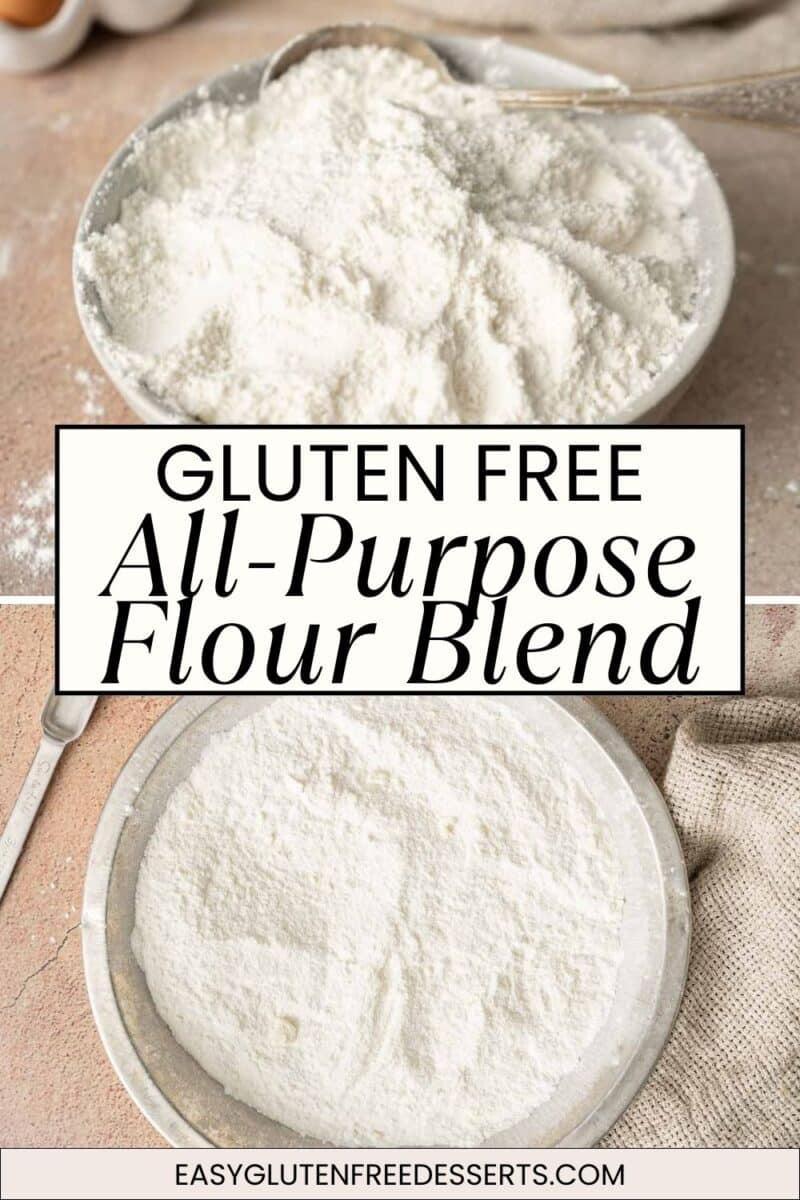
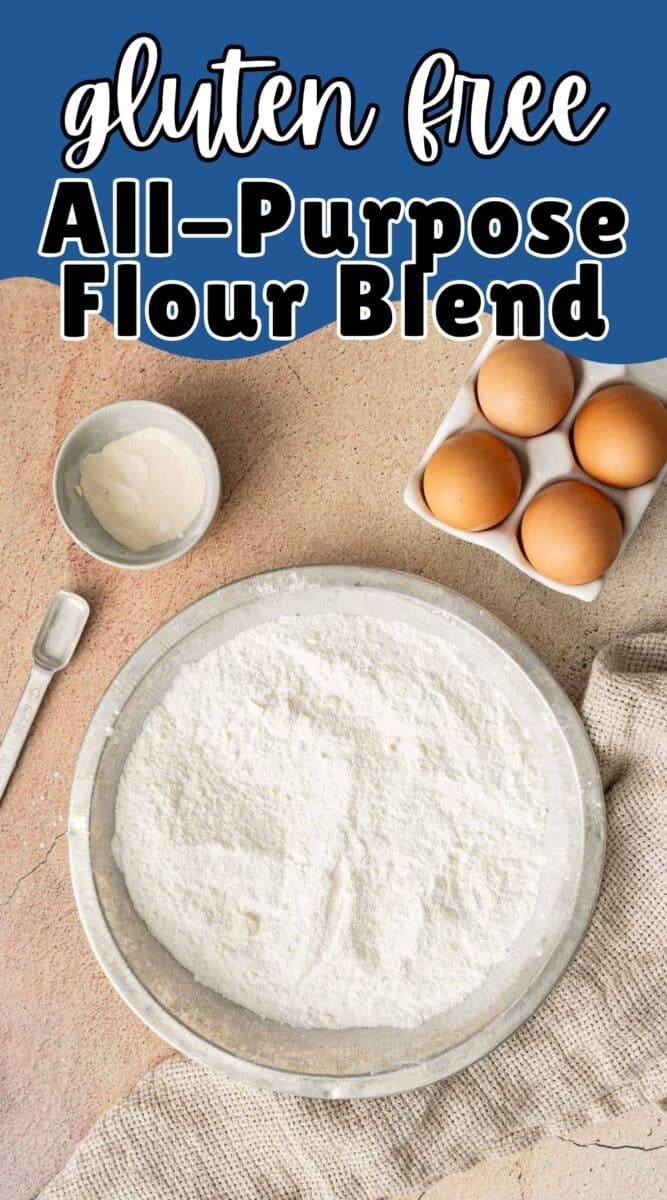
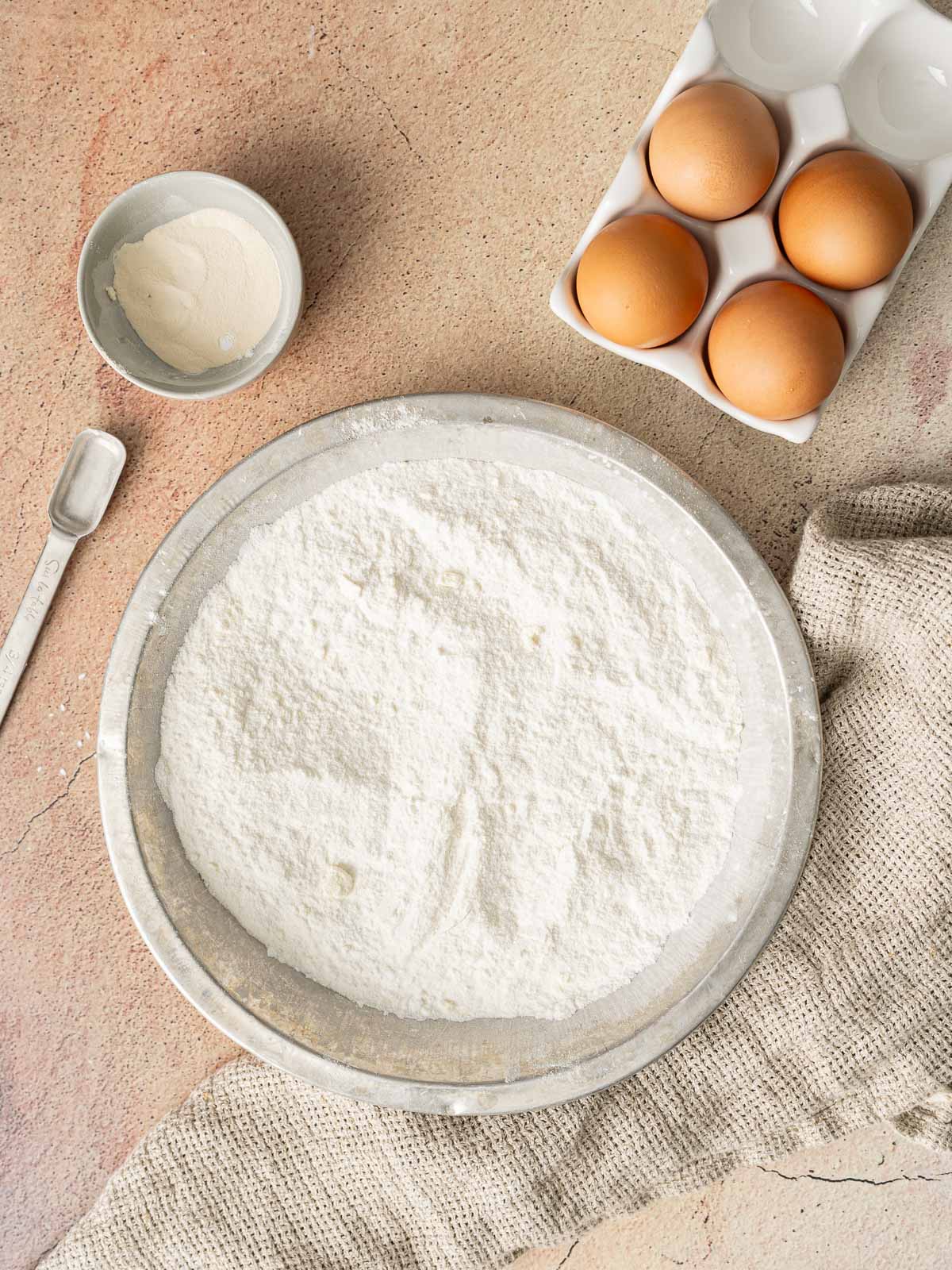
This easy 1:1 gluten-free flour blend is perfect for cookies, cakes, muffins, and more-no gritty texture in sight! Make it once, store it for up to 3 months, and bake anytime.
Save This Recipe!
Skill Level: Beginner
Shortcut Central: Make a big batch and store for months.
Allergy Watch: Dairy Free Option, No Eggs, Nut-Free
Despite the trend towards modified starches, my blend is made entirely without modified wheat starch, which was a must-have request from my readers. And for me too! I have a wheat allergy in addition to being celiac.
I've struck the perfect balance of protein and starch by using just a touch of brown rice flour for flavor-minus the grit-and relying on tapioca and arrowroot starches to give your bakes a springy structure.
It's also budget-friendly: buying the individual flours in bulk costs less in the long run if you bake frequently, and you'll never pay for the markup of pre-mixed blends.
Finally, this flour is endlessly versatile-use it for everything from cookies and cakes to brownies, and any other non-yeasted treats you love.
Ingredient Notes
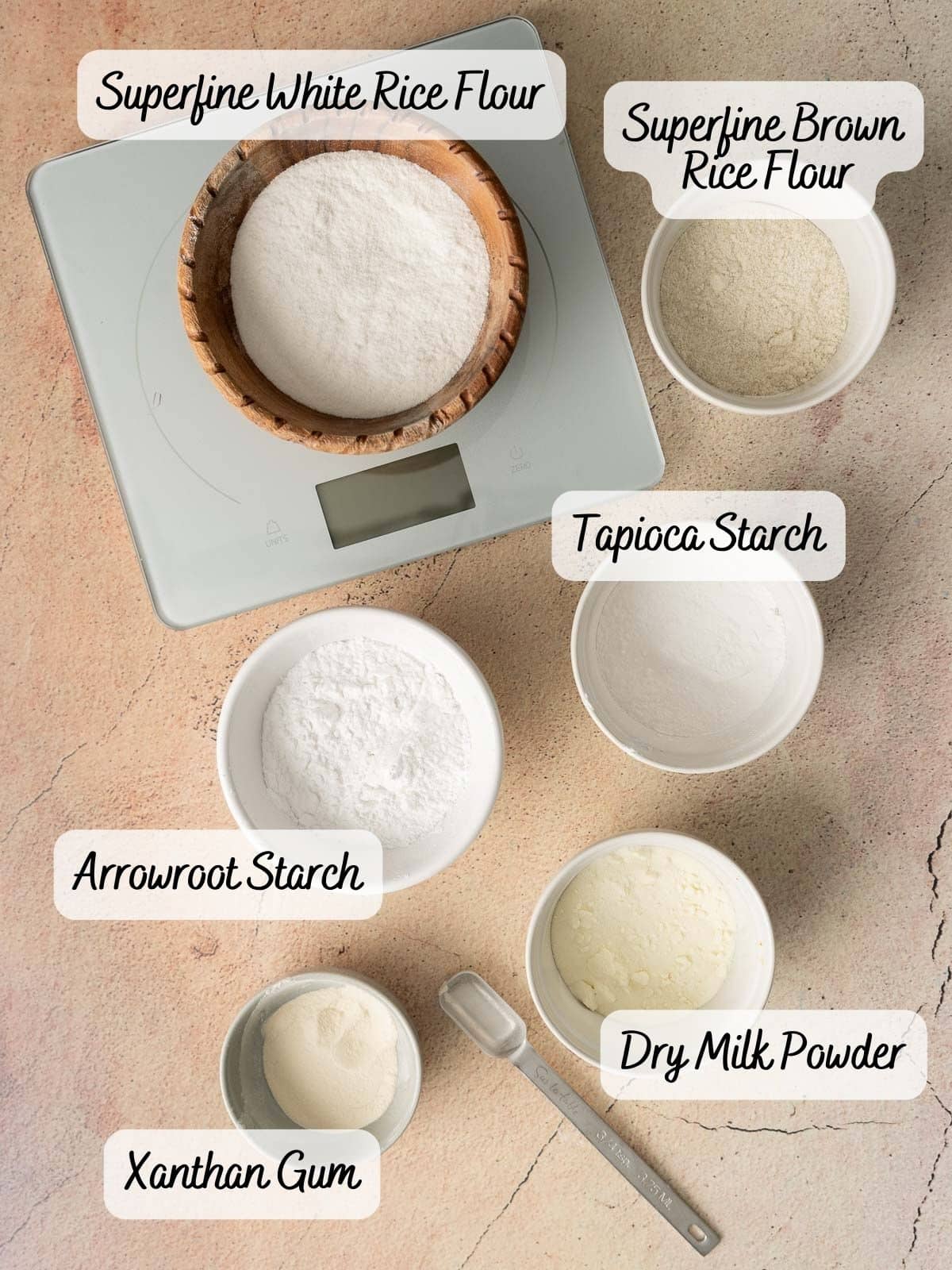
- White Rice Flour - Look for a version that is finely ground if you can find it. It will give your baked goods a finer crumb.
- Arrowroot Starch- Adds elasticity and structure without any noticeable taste. It also freezes well which is great for cookies.
- Superfine Brown Rice Flour- Look for a version that is finely ground if you can find it. I use a small amount compared to most recipes.
- Tapioca Starch - Also called tapioca flour. This ingredient provides elasticity. You can also use modified tapioca starch (Expandex).
- Nonfat Dry Milk Powder- OPTIONAL, please avoid if you are dairy-free. However, it provides protein, and protein equals structure. And it helps the bakes achieve a golden brown color.
- Xanthan Gum- Some recipes
How to Make DIY GF Flour Blend
- You need to use a scale to make the initial blend.
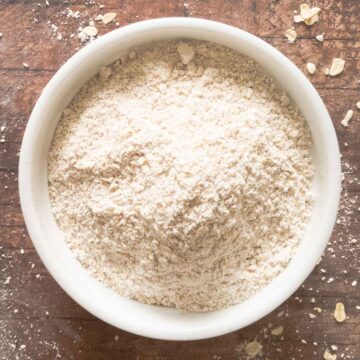
- In a large bowl, sift and then whisk together until uniform.
- Use according to any gluten free recipe that calls for cup for cup flour.
Jen's Recipe Notes
- When using this flour, let batters rest 10-15 minutes to hydrate fully for tender results.
- Just a splash more of liquid will help the dough hydrate. GF bakes are notoriously dry.
- When measuring flour by volume, use the scoop and transfer method instead of dipping your measuring cup into the flour. Hold the cup over the bin and use a spoon to scoop up the flour, then pour it into the cup and level.
More Gluten Free Recipes


Make Ahead and Storing
Make Ahead: Blend up to 3 months in advance.
Storing: Airtight container in a cool, dry pantry (stir before use).
Freezing: Do not freeze, as starches will clump.
📖 Recipe

Gluten-Free Flour Blend (1:1 AP)
Save This Recipe!
Ingredients
- 400 grams (2.5 cups) fine white rice flour
- 200 grams (1.6 cups) arrowroot starch
- 125 grams (.78 cup) fine brown rice flour
- 100 grams (.83 cup) tapioca starch also called tapioca flour
- 100 grams (.75 cup) nonfat dry milk powder optional
- 28 grams (3 Tablespoon) xanthan gum see notes before adding
Instructions
- Whisk together all the ingredients.400 grams fine white rice flour, 200 grams arrowroot starch, 125 grams fine brown rice flour, 100 grams tapioca starch , 100 grams nonfat dry milk powder, 28 grams xanthan gum
- Store in an airtight container in a dark cool place. The GF flour will keep for several months. Stir before measuring out for recipes.
Equipment
- Airtight Storage Container
Notes
- This recipe can be used in any of my gluten-free baking recipes that don't have yeast.
- For yeast recipes (i.e. bread recipes) I recommend holding off on adding the xanthan gum and adding per the recipe instructions for the best results.
Nutrition
Recipe Questions
Tapioca starch and cassava flour are both derived from the cassava plant but are not the same.
Tapioca starch extracted from the cassava root. Cassava flour, on the other hand, is made from the whole root of the cassava plant. It includes the fiber from the root which means it acts differently in baking.
Use the recipe as directed. Here are other flours I tested and ultimately decided no use:
Chickpea Flour- This is a great flour to work with but isn't great with sweeter bakes
Buckwheat Flour - I like the flavor but bitterness is often a complaint and isn't compatible with a typical white flour.
Almond Flour- I use almond flour with starches like in many recipes. But it is too expensive to use in everyday recipes.
Sorghum Flour- Too hard to find and usually too coarse to work with.
I first published this All Purpose Gluten Free Flour blend on my food blog Peel with Zeal.

Comments
No Comments